How Dallas turned a former dump into bird habitat
Trinity River Audubon Center occupies a reclaimed site whose cleanup combined excavation, a landfill cap and methane monitoring.
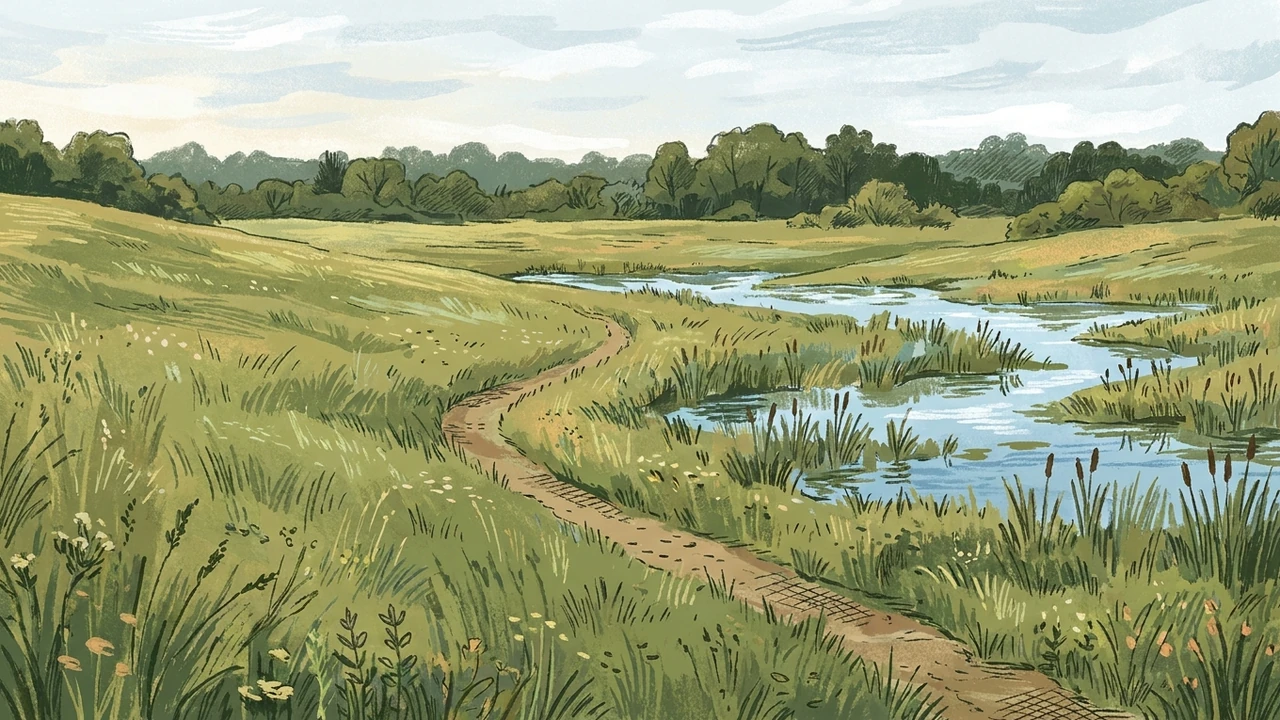
Restoring the land at Dallas' Trinity River Audubon Center meant removing some waste and containing the rest. The site had been an illegal dump. In its account of the cleanup, the Texas Commission on Environmental Quality describes a remedy that included excavating part of the property, capping the remaining landfill and continually monitoring methane while restoring native grass prairie. [1]
Above ground, Audubon describes a 120-acre center about ten miles south of downtown, with five miles of trails through hardwood forest, wetlands and prairie. The trails offer access to several habitats on a site that had become a problem for its neighbors long before it became a destination for birdwatchers. [2]
Before the dumping, the property was a sand and gravel mine beside the Deepwood neighborhood. TCEQ's account says the old mine pits were used as illegal dumps until the mid-1990s. Reclaiming the property meant dealing with waste that had filled those excavated spaces, as well as deciding what could be built and planted above them.
Residents pressed for action, according to Audubon's history of the center. The City of Dallas entered the site into the state's Voluntary Cleanup Program in 2002. TCEQ describes a remedy combining removal on part of the site with containment on the rest. The agency issued certificates of completion in 2007. [1][2]
A landfill cap was therefore part of the site's transformation, rather than evidence that the work had stopped short of its plan. The selected remedy did not require every bit of buried waste to be hauled away. TCEQ's account records how the land was reclaimed; it is not a current inspection report on the cap or monitoring equipment.
The public center developed alongside the cleanup. Audubon finalized an agreement to operate an interpretive birding center in 2005, and the city broke ground the following year. Construction was completed in 2008. The building, designed by architect Antoine Predock, became the first LEED-certified project built by the Dallas Park and Recreation Department, TCEQ reports. LEED is a green-building certification system. [1]
Audubon identifies daylighting, regional and sustainable building materials, and a living roof on the administrative wing among the center's design features. Those features address the building itself, while the excavation and cap addressed the former landfill. Both were part of giving the property another use.
The habitat mix also gives a visit more variety than a single woodland path. Audubon's description takes walkers across wetlands and into prairie as well as hardwood forest. Its programs include guided bird walks and community science activities, and visitors can explore the trails on their own. Check the center's current visitor information before making a trip. [2]
The former mine, landfill remedy and birding center are successive uses of the same property. Today's trails and habitats sit within a landscape whose restoration included both native vegetation and an engineered cap.
Sources
- Texas Commission on Environmental QualityTCEQ's site account describes the former mine and landfill, cleanup remedy, completion certificates and construction of the center.
- National Audubon SocietyThe center's operator describes its acreage, trails, habitats, community history and building features.