El Paso's purple irrigation pipes carry water with a different job
Reclaimed water serves landscapes and industrial users, saving drinking water while requiring its own fittings, signs and precautions.
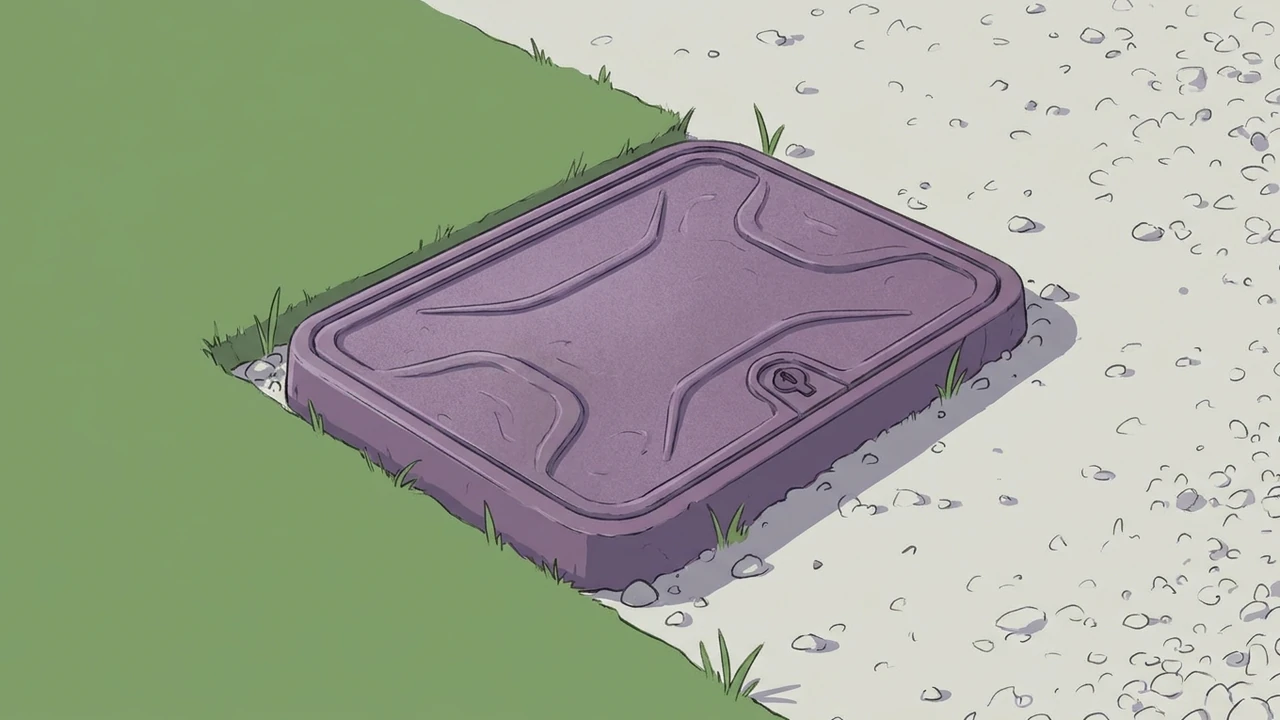
A purple irrigation pipe in El Paso identifies a water supply that is not for drinking. El Paso Water's requirements extend the color coding to valve boxes and call for warning signs in English and Spanish. The system supplies treated wastewater for jobs such as irrigating landscapes, leaving drinking water available for other uses. [1][2]
The utility has delivered reclaimed water since 1963. Its list of users reaches well beyond golf courses: city parks, school grounds, apartment landscaping, construction sites and industrial operations all appear in its description of the system. A useful way to understand the network is to follow the task the water will perform. Water used in an industrial cooling tower or on a playing field does not have the same purpose as water coming from a kitchen tap.
El Paso Water collects wastewater and treats it at four reclamation plants, using what it describes as advanced secondary or tertiary treatment. Some treated water still goes to the river under the utility's Clean Water Act permit to help maintain the river ecosystem. Other water is captured for reuse. That means reclamation does not simply eliminate river discharges or put every gallon on the same path. [1]
For irrigation and industrial customers, the benefit is a substitute supply. The utility says using reclaimed water for those purposes saves potable water and reduces pumping from aquifers. That is the conservation value of an otherwise ordinary sprinkler or industrial connection: it can perform its work without drawing on the drinking-water supply. The benefit depends on keeping the two uses properly distinguished.
The purple hardware helps make that distinction visible. Under El Paso Water's published requirements, irrigation pipelines carrying reclaimed water must be purple, irrigation valves must sit in purple locking boxes, and above-ground faucets and quick-couplers must be enclosed in lockable devices. A property owner considering service may need changes to an existing irrigation system to meet the rules. Reclaimed service is not simply a different bill for an unchanged set of pipes. [2]
Signs are part of the system, too. The utility requires reclaimed-water warnings at sites ranging from homes and apartment landscapes to parks and schools. It specifies a purple background with white or yellow lettering in both languages. The number of signs depends on the property's size, access points and how many people use it. A visitor therefore does not have to inspect underground plumbing to receive a warning about the water.
The water also needs different landscape management. El Paso Water says reclaimed water contains more salts than potable water and advises managing those salts to reduce their accumulation in soil. A supply suitable for an approved irrigation use still comes with conditions; its treatment does not make it interchangeable with drinking water. [1]
For a property manager, the next step is to ask the utility about the intended use and the system it would require before changing connections or watering practices. For someone visiting a park or school, the practical distinction is already above ground: purple equipment and the site's warning signs identify water reserved for another job.
Sources
- El Paso WaterEl Paso reclaimed-water uses, treatment, conservation and landscape salt management.
- El Paso WaterPurple equipment, locking fittings and bilingual warning-sign requirements.