In Henderson, the syrup tradition includes the work before the bottle
Henderson's museum describes a mule-powered cane-syrup demonstration. A separate Texas sorghum guide shows how much work can come between plant and bottle.
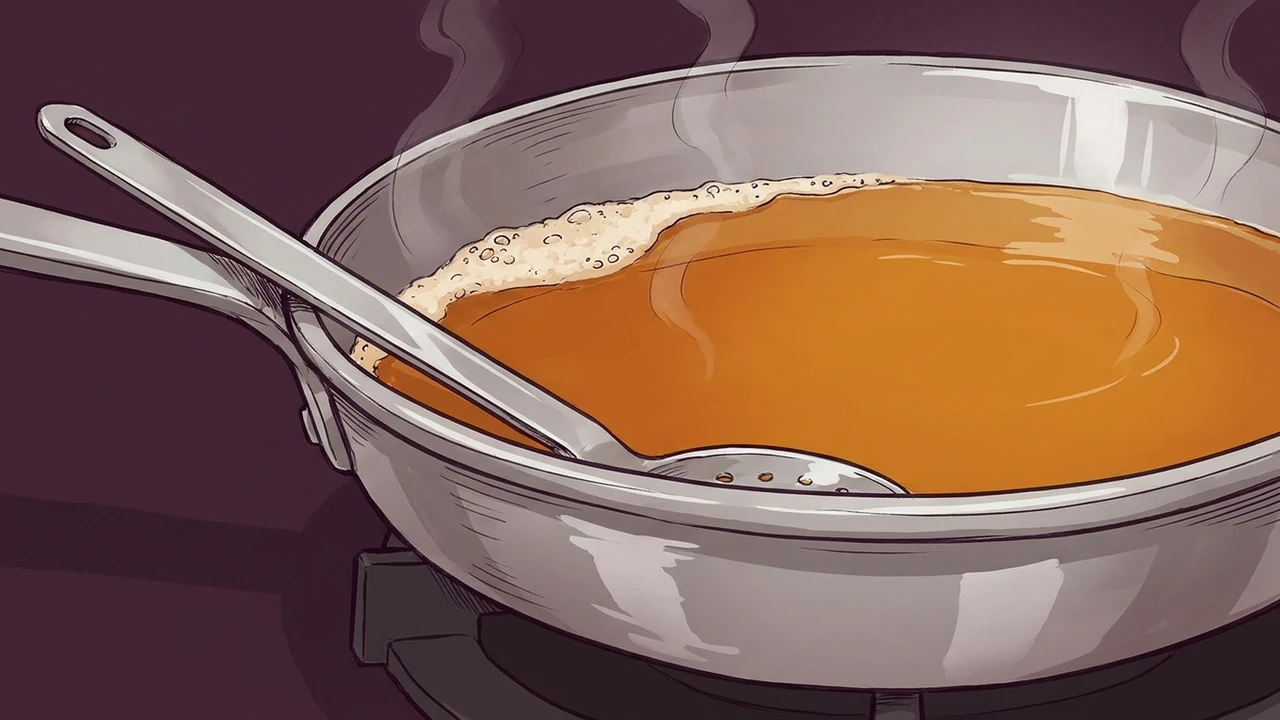
The centerpiece of Henderson's Heritage Syrup Festival is equipment with a job to do. The Depot Museum & History Center describes experienced syrup makers using an antique, mule-powered setup to produce cane syrup. The demonstration puts the work of making a sweetener in front of visitors, rather than presenting only the finished bottle. [1]
The museum describes the festival as a celebration of ribbon-cane syrup making, with other folk skills demonstrated while the syrup cooks. Its listing scheduled the 2026 edition for November 14 at the museum grounds and in historic downtown Henderson. That advertised date has passed, but the museum's description offers a way into the work behind a bottle of syrup.
A mill extracts the juice, but turning that liquid into syrup takes further work. A Texas A&M AgriLife Extension publication, originally issued in November 1996, describes the process for sweet sorghum, a syrup crop associated with festivals in East and Central Texas. It provides a comparison with the museum's cane-syrup tradition, not a record of the methods used by Henderson's demonstrators. [2]
In that guide, juice coming from the mill is allowed to settle and is strained before entering evaporating pans. Heating makes some substances settle or rise to the surface, where they must be removed. The work includes regularly skimming material such as plant fragments and coagulated proteins. Syrup making therefore involves cleaning up the juice as well as concentrating it.
The guide evaluates finished sorghum syrup by thickness, clarity, color and taste. It warns that overcooking darkens the syrup and that harvested sorghum stalks should not be cut faster than they can be processed within a day or two. In that process, harvesting, milling and cooking have to work together; cut stalks cannot simply wait indefinitely beside the pan. [2]
The names on the finished sweeteners can be confusing. AgriLife notes that calling sorghum syrup molasses is technically a misnomer because molasses is a byproduct of sugar manufacturing. Its discussion distinguishes sorghum syrup from cane syrups and describes sorghum's flavor as somewhat stronger. That distinction is more useful to a buyer than assuming that every dark syrup comes from the same plant or process.
Henderson's museum places syrup making alongside lacemaking, rope making, blacksmithing, basket weaving and other demonstrations. The connection is practical: visitors are shown how things are made. The syrup operation has its own combination of machinery, raw material and judgment, even when the result looks as familiar as something poured over breakfast. [1]
AgriLife lists sorghum syrup as a topping for pancakes, biscuits, ice cream and desserts, and as a substitute in cookies, sweet breads and candies. For someone choosing a bottle, the useful first question is which plant supplied the juice. Ask the maker before assuming that a dark syrup will taste like the one already in the pantry. [2]
Sources
- Rusk County Depot Museum & History CenterThe museum description of ribbon-cane syrup making and its November 14, 2026 event listing.
- Texas A&M AgriLife ExtensionSorghum syrup processing and uses in a guide first published in November 1996.