Sweetwater trained women to fly Army aircraft before the military recognized their service
At Avenger Field, WASP trainees learned under Army discipline. Their wartime duties did not bring military status until decades later.
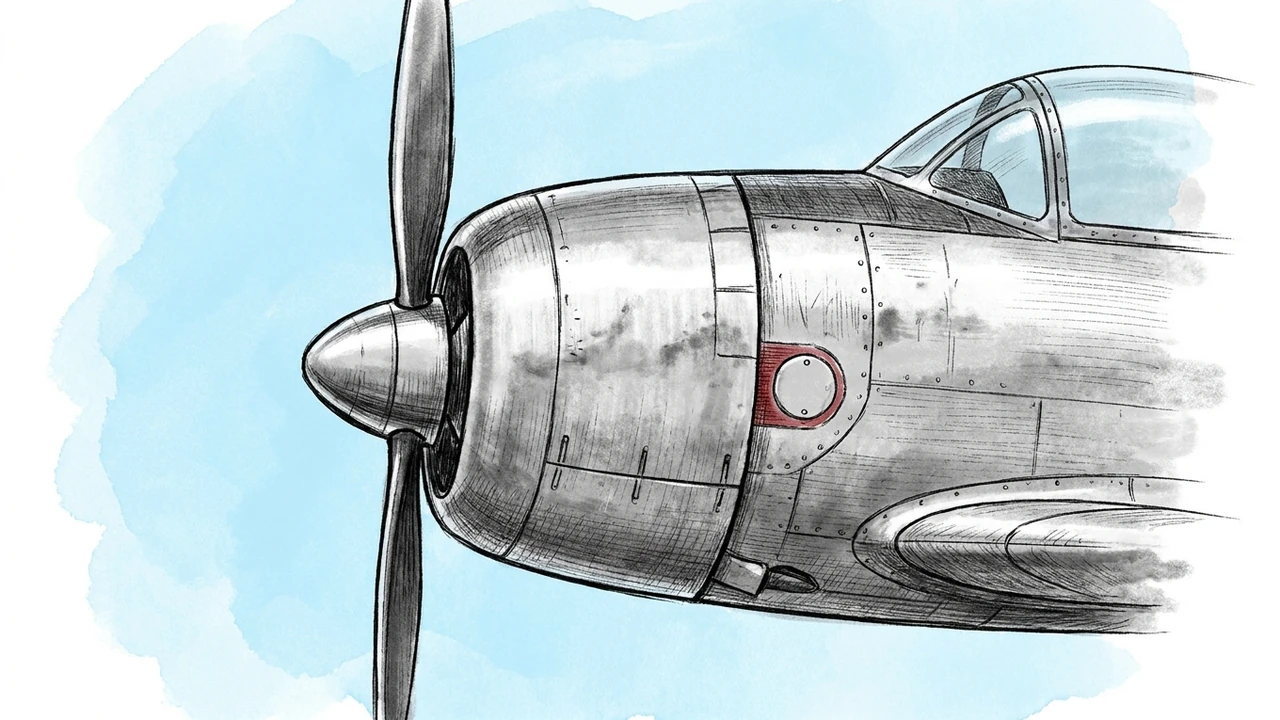
At Avenger Field in Sweetwater, women preparing to fly for the Army Air Forces studied more than the controls of an airplane. Their training included navigation, weather, Morse code and aircraft mechanics. They marched, underwent inspections and followed Army discipline. Yet the Women Airforce Service Pilots, known as WASP, were civilians during World War II. [1]
That difference between the job and the legal status shaped the program long after its Texas training flights ended. The women carried out work that supported the war effort, but the recognition associated with military service did not follow automatically from the aircraft they flew or the rules they obeyed.
The program grew from two separate efforts. Nancy Harkness Love organized the Women's Auxiliary Ferrying Squadron, while Jacqueline Cochran led the Women's Flying Training Detachment. The organizations merged in August 1943 to form the WASP, according to Texas Woman's University, which maintains the official WASP archive. Their purpose was to take on flying duties that could free men for overseas service. [2]
Applicants did not arrive as complete beginners. The National Park Service describes trainees as already accomplished pilots who then underwent hundreds of hours of flight drills and ground school at Avenger Field. Sweetwater was a training center for work spread across the country: the National Museum of the U.S. Air Force says graduates were stationed at more than 100 bases. [3]
One essential assignment was ferrying aircraft from factories to bases. Other duties included instructing male trainees, testing new or repaired planes, and towing canvas targets for gunnery practice. The missions were not combat assignments, but they carried real danger. Texas Woman's University's archive history records more than 60 million miles flown and 12,650 aircraft delivered.
The National Park Service counts 38 WASP deaths during service. Because the pilots lacked military status, the federal government did not pay their funeral expenses; colleagues pooled money to send bodies home. The civilian classification had consequences that reached families as well as the women at work. [1]
The program also rejected qualified Black women, including Mildred Hemmons Carter, according to the Park Service. Carter had trained in the Tuskegee Civilian Pilot Training Program, but the WASP rejected her because of her race.
Efforts to give the WASP military status failed in Congress in 1944. The program was deactivated on December 20 that year, according to the Air Force museum. The women had demonstrated that they could do the flying, but that did not secure continuation of the organization or veteran status at the time. [4]
The WASP obtained military recognition and veteran status in 1977. The Congressional Gold Medal followed in 2010. [2]
The reverse of the Congressional Gold Medal shows an AT-6 Texan trainer, a B-26 Marauder bomber and a P-51 Mustang fighter, according to the Air Force museum. The aircraft represent the many types the women flew. [4]
Sources
- National Park ServiceSweetwater training, civilian status, flying duties, deaths and discrimination.
- Texas Woman's University, Official WASP ArchiveThe program's formation, flying record and later recognition.
- National Museum of the U.S. Air ForceAvenger Field graduates' assignments to bases across the United States.
- National Museum of the U.S. Air ForceThe December 1944 deactivation and aircraft depicted on the Congressional Gold Medal.