Making tamales? Masa harina and cornmeal are different starting points
The corn's preparation matters before anyone spreads dough on a husk. Choose the recipe before dividing up the tamalada shopping.
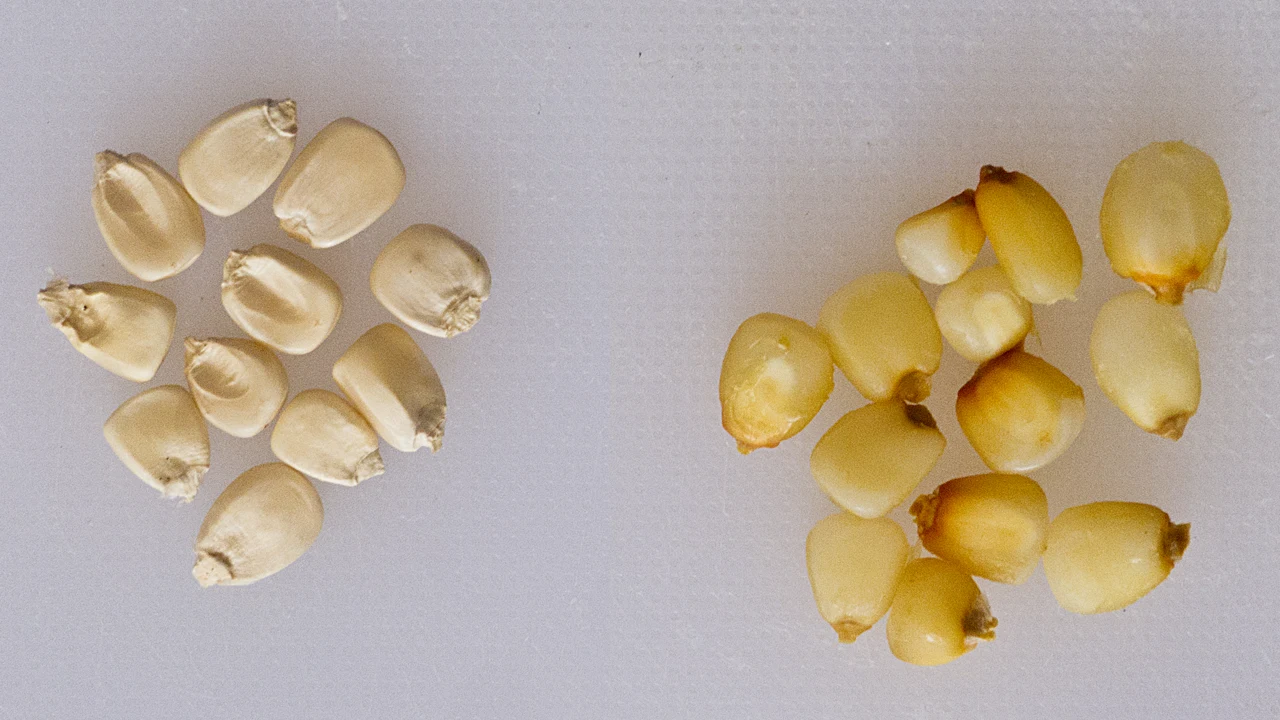

Before buying corn flour for a tamalada, check what the recipe actually asks for. A bag of cornmeal and a bag of masa harina both start with corn, but they have not gone through the same preparation. Substituting one for the other can change the dough you are counting on to spread, wrap and steam.
That distinction matters when several people have set aside time to make a large batch. Texas Highways describes tamaladas as gatherings where friends and relatives share the labor of making tamales, a familiar part of the state's Christmas food traditions. Sorting out the masa before everyone arrives is a practical way to protect that shared effort.[1]
Nixtamalization is the step behind the difference. In the traditional process, corn is cooked in an alkaline solution, then steeped and washed. The University of Nebraska-Lincoln explains that this treatment loosens and removes the kernel's outer covering and softens its interior. The treated corn, called nixtamal, is ground into masa for foods including tortillas and tamales. The lime used in this process is calcium hydroxide, not citrus juice.[2]
Masa harina takes the preparation a step further: it is flour made from dehydrated masa. Adding liquid reconstitutes it into dough. Ordinary cornmeal is ground corn without that same nixtamalization step. Food Network's explanation, based on an interview with Mexican-cuisine chef Barbara Sibley, distinguishes the products by how they are made, not simply how finely they are ground.[3]
For the shopper, that means a finer cornmeal is not automatically a replacement for masa harina. Follow the ingredient specified by the recipe instead of treating every bag marked corn as interchangeable. This is not a rule about which family's tamales are legitimate. It is a way to avoid changing a tested preparation without also changing the method.
Fresh masa and dry masa harina need different handling, too. A recipe built around dry flour includes liquid to turn that flour into dough. Fresh masa already contains moisture, so do not assume that replacing a measured quantity of dry flour with the same quantity of fresh dough preserves the recipe's balance. If buying prepared masa, ask what has already been mixed in before adding the recipe's fat, salt or liquid.
The remaining ingredients still matter. A University of Maryland Extension tamale recipe combines masa harina with olive oil, broth, salt and baking powder. Its instructions call for a creamy dough and advise adding broth a little at a time if needed. That example shows why merely wetting the correct flour is not the whole preparation. The desired consistency comes from the recipe's full mixture, not a label alone.[4]
The same extension recipe softens corn husks before filling them and cooks the wrapped tamales with steam. It gives a cooking window, then checks whether the husk releases easily from the dough. Those are instructions for that recipe, not a universal timer for every tamale size or filling.
Choose the recipe before dividing up the shopping. Give the person buying flour its exact ingredient name, and tell anyone bringing fresh masa what the recipe requires. Keep the flour choice, dough preparation and steaming instructions together. A tamalada already has enough tasks without discovering at the mixing bowl that the ingredients belong to different methods.
Sources
- Texas HighwaysTexas holiday traditions and the shared work of a tamalada.
- University of Nebraska-Lincoln ExtensionAn explanation of alkaline corn processing and how nixtamal becomes masa.
- Food NetworkThe differences between masa, masa harina and ordinary ground-corn products.
- University of Maryland ExtensionA masa-harina tamale recipe using olive oil, with mixing and steaming instructions.