Shopping for Texas electricity? Match the label to your usage
A residential Electricity Facts Label compares average prices at three usage levels. Fees, credits and contract terms determine what those examples mean for your home.
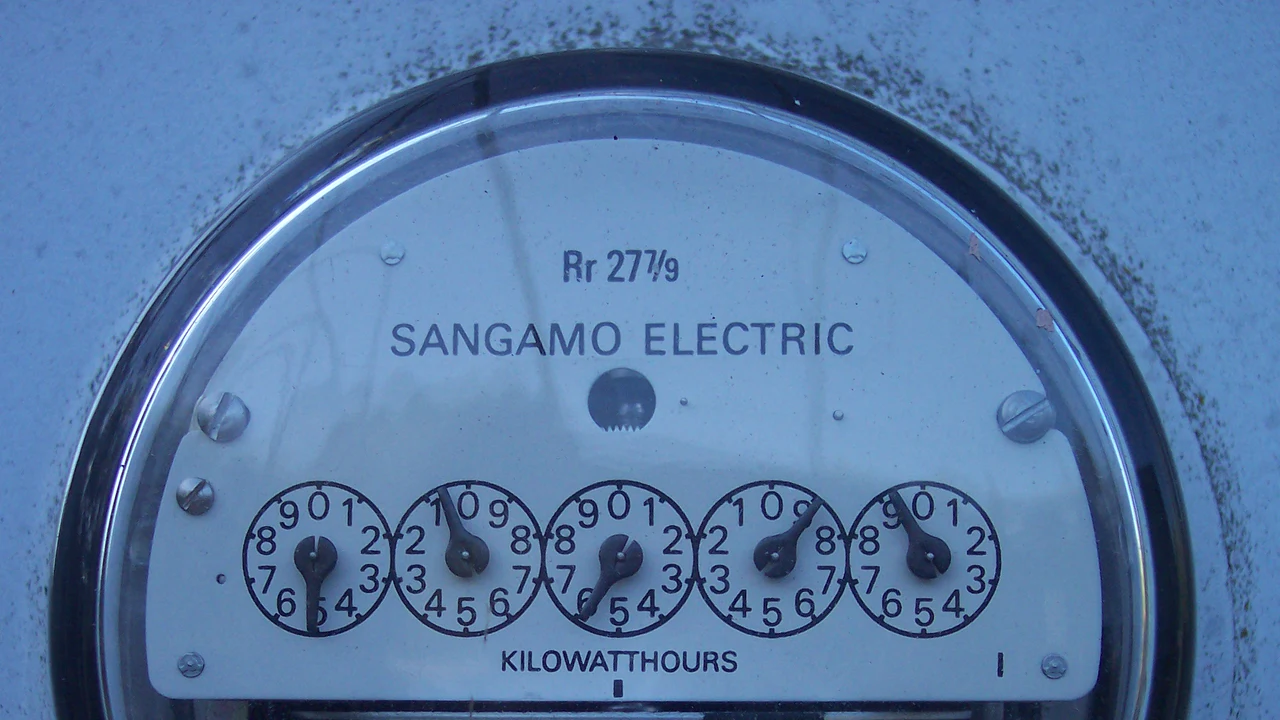

Before comparing electricity offers, put the kilowatt-hour figures from your own bills beside the prices on the screen. A low advertised price tied to a particular amount of electricity use does not, by itself, tell you what a different month in your household will cost.
For Texans who can choose a retail electricity provider, the Electricity Facts Label, or EFL, is a useful place to start. The Public Utility Commission's disclosure rule requires residential labels to show average prices in cents per kilowatt-hour at monthly usage levels of 500, 1,000 and 2,000 kilowatt-hours. Those figures are comparison points, not three promised monthly bills. [1]
First establish whether this shopping process applies to your address. The state's Power to Choose FAQ says retail choice is not available everywhere in Texas. Some communities are served by municipal utilities, cooperatives or other utilities without that choice. The site directs readers to enter a ZIP code on its plans page to see available providers. [2]
Where choice is available, find the EFL for the exact plan you are considering. Check the provider and product names, service area if applicable, and date. The commission's required format identifies those fields. Read the label alongside the Terms of Service rather than relying on a plan nickname or a single price in an advertisement.
The average-price table needs its accompanying conditions. Under the rule, the figures reflect recurring charges but exclude state and local sales taxes and reimbursement for the state miscellaneous gross receipts tax. Certain location-specific charges may be disclosed separately. For a variable-price product, the listed average concerns the first billing cycle, subject to permitted changes, rather than a price promised for every later month. [1]
Usage fees and credits can make the difference especially important. Power to Choose explains that some plans charge a fee when consumption falls below a minimum. Others offer credits or waive fees at certain usage levels. Not every plan has those features. Look for the threshold and what happens on each side of it, rather than assuming lower consumption always leaves the same average price per kilowatt-hour. [2]
Gather several months of actual usage, including your higher- and lower-use months. Then ask how the candidate plan's charges and credits apply at those amounts. If the pricing explanation is unclear, ask the provider to walk through it before enrolling. This is a comparison method, not a recommendation to increase electricity use to qualify for a credit.
Read the contract details with the same care as the price. The EFL must disclose the term, any minimum service period and any early termination penalty. The rule also requires fee disclosures. Check the contract you already have before switching: Power to Choose warns that breaking an existing contract may carry a penalty. [1] [2]
Keep the dated label and Terms of Service for the offer you select. They give you a specific product and set of conditions to refer to later. Compare how the plan charges for your household's actual usage, not just which advertisement displays the smallest number. No single usage example establishes the cheapest plan for every household.
Sources
- Public Utility Commission of TexasSubsection (g)(2)(C)(i): residential customers, 500, 1,000 and 2,000 kilowatt hours per month. (g)(2)(A)-(B) recurring charges/tax exclusions and first-cycle variable pricing; (g)(3)-(4) fees and term disclosure; (g)(6) format identifies product, service area and date.
- Power to Choose / Public Utility Commission of TexasNot all companies charge this fee ... Some companies offer credits or waivers of other fees for using a certain amount of electricity. Do all Texans get to choose their electric provider? No. It depends on where in Texas you live.