A green peel does not always mean Texas grapefruit is unripe
Peel color, flavor and harvest maturity are different clues. Extension guidance explains why waiting on the counter is not a fix for immature grapefruit.
An early-season Texas grapefruit can be ready to eat while its peel is still green. Texas A&M AgriLife Extension's Bexar County guide makes that point in its advice to shoppers, warning against using outside color as the only test of maturity. It recommends choosing citrus that feels heavy for its size as an indication of juiciness. [1]
That does not mean an immature grapefruit will improve if you leave it on the counter. The University of California, Davis, Postharvest Research and Extension Center says grapefruit do not continue to ripen after harvest and should be picked with good flavor already developed. The distinction is between a mature fruit that retains green peel and a fruit picked before it was ready. [2]
The UC Davis fact sheet separates maturity measures from a broader set of quality checks. Its commercial maturity guidance considers both color and the balance of soluble solids and acid. Its quality list includes firmness, shape, peel characteristics and freedom from decay or injury. Flavor is related to that solids-to-acid balance and to compounds that contribute bitterness. A brighter outside is therefore not a complete description of what you will taste.
The same sheet describes commercial degreening: ethylene exposure can accelerate the loss of green color from mature-green grapefruit. It also warns that the treatment can accelerate peel aging and susceptibility to decay. This is a postharvest handling process, not evidence that color change turns an immature grapefruit into a fully ripened one, and not a home-treatment recommendation.
Texas shoppers have a long harvest window to work with, though a general crop calendar cannot promise stock at a particular store. Texas A&M's crop guide describes grapefruit being harvested by hand from October through May for fresh markets and seasonal gift packs. The guide lists pink- and red-fleshed cultivars grown for those uses. The calendar describes the usual harvest period, not the size or availability of this season's crop. [3]
The Bexar County guide traces the region's commercial red-grapefruit story to red fruit found on pink-grapefruit trees around 1929, followed by additional redder bud mutations in groves. That history concerns the varieties growers propagated. It does not make every red-blushed fruit equally sweet or establish where an individual piece of fruit was grown. Look for origin information on the label if buying Texas-grown fruit is the goal. [1]
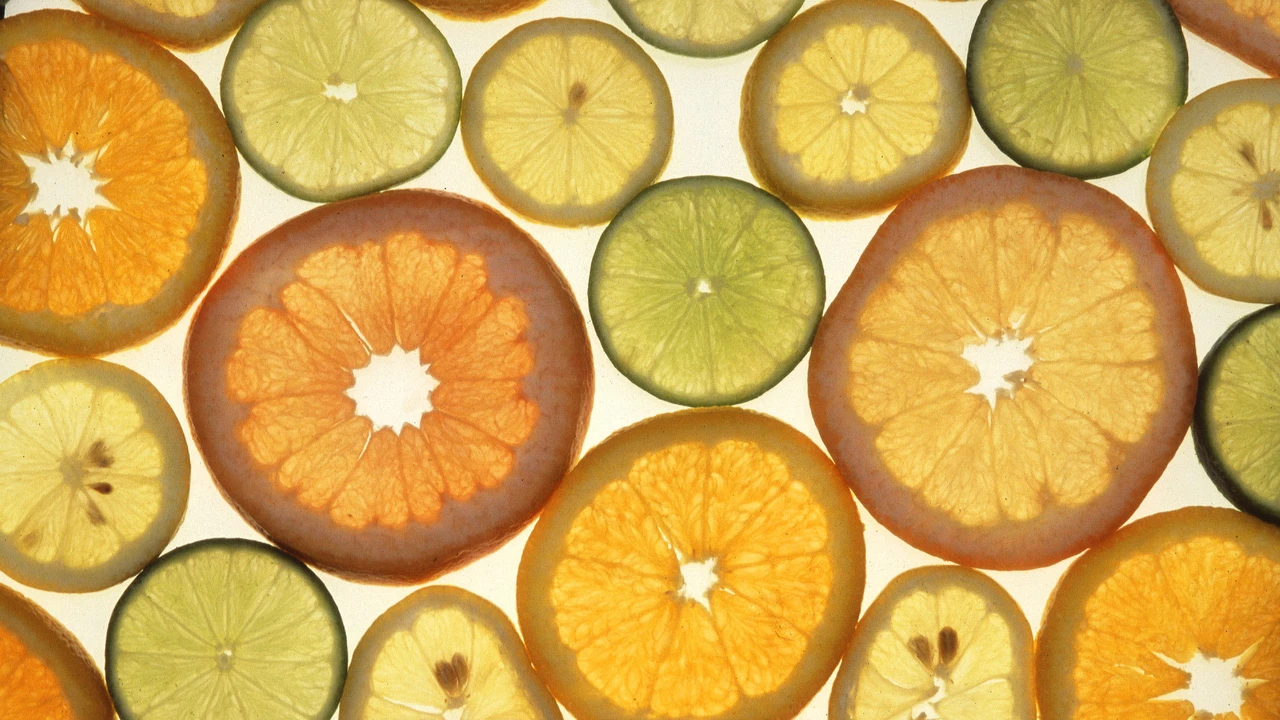
The photograph here shows slices of different citrus fruits, including grapefruit. USDA's Agricultural Research Service identifies it as Scott Bauer's citrus photograph. It is useful for seeing differences in flesh, rind and size, but the source record does not identify a Texas orchard or a particular grapefruit cultivar. [4]
At the produce display, use more than one clue: the origin label, weight for size and the fruit's condition. Ask the seller about the variety when that matters to you. Once the grapefruit is home, treat it as fruit selected for eating, rather than counting on another round of ripening to supply flavor that was missing at harvest.
Sources
- Texas A&M AgriLife Extension, Bexar CountyThe History of Texas Grapefruit
- University of California, DavisGrapefruit
- Texas A&M AgriLife Extension, Aggie HorticultureCitrus and Subtropical Tree Crops
- USDA Agricultural Research ServiceImage Number K7226-29: Citrus fruits