The red jalapeño behind a chipotle
Ripening, smoking and drying connect two familiar chile names. Dried chipotle and chipotle in adobo are different forms to check on a shopping list.
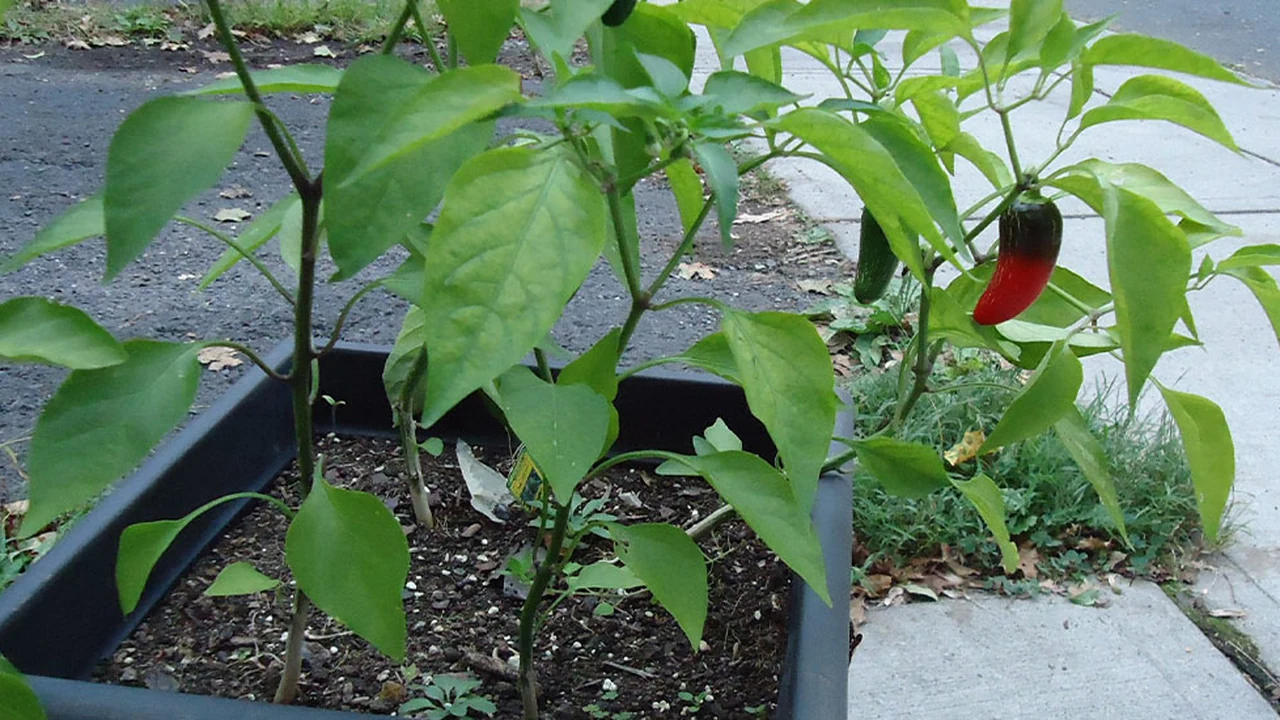
A chipotle starts as a jalapeño allowed to ripen red, then smoked and dried. The treatment gives a familiar fresh pepper a different ingredient name. For a Texas shopper reading a recipe beside the produce or dried-chile shelves, knowing that connection is a useful first step. The next is checking which form the recipe actually asks for.[1]
Green jalapeños are the form commonly found in the produce section, but the fruit can ripen red. Texas A&M AgriLife's pepper guide identifies chipotle as the fully ripe red jalapeño after smoking and drying. New Mexico State University's Chile Pepper Institute uses the same definition. Red color alone does not make a jalapeño a chipotle; the processing is part of the name.
A can of chipotles in adobo adds something else. The Chile Pepper Institute defines adobo as the tomato-based sauce used to can chipotles. The canned ingredient therefore includes a sauce as well as the chile. A recipe calling for dried chipotle and one calling for chipotle in adobo are specifying different preparations, even though the pepper behind them is related.[2]
Poblanos provide another fresh-to-dried connection. AgriLife describes the dark-green fresh peppers commonly found in grocery stores and says poblanos picked red can be dried and sold as anchos. The Chile Pepper Institute uses poblano for the fresh green form of ancho or mulato peppers in U.S. produce markets, and distinguishes mulato as brown at maturity. The names reflect both the pepper type and the form being sold.
Those relationships are shopping clues, not a general substitution rule. An ancho and a chipotle begin with different peppers, and smoking is part of the definition of chipotle. Replacing one with the other changes the ingredient rather than merely changing the label. Check the pepper name and the preparation together before deciding that two packages will do the same job.[1][2]
Heat is a separate question. AgriLife explains that researchers measure capsaicin and related compounds to assess pungency. Appearance alone does not reliably establish how hot a pepper will be. Growing conditions affect those compounds, and breeding can produce milder peppers that look much like hotter varieties. A green or red fruit is not a reliable heat rating by itself.
AgriLife's guide describes a mild jalapeño developed by Texas A&M researcher Kevin Crosby and colleagues that looks like a regular jalapeño but is less spicy. It also describes chipotle as having spiciness similar to green jalapeño. Smoking and drying should therefore not be treated as a promise that the resulting chile will be mild.[1]
A useful shopping list keeps the form attached to the name: fresh jalapeño, dried chipotle, chipotle in adobo or dried ancho. That gives the shopper a clearer match to the recipe than a pepper name alone. For chipotle, ripening, smoking and drying are part of what the cook is asking to bring home.
Sources
- Texas A&M AgriLifeIs that chile pepper hot or not?
- New Mexico State University, Chile Pepper InstituteChile Terminology