A Texas oyster's source matters. So does how it is cooked
Harvest-area checks and shellfish tags help track where oysters came from. Neither makes eating them raw risk-free, even in cooler months.
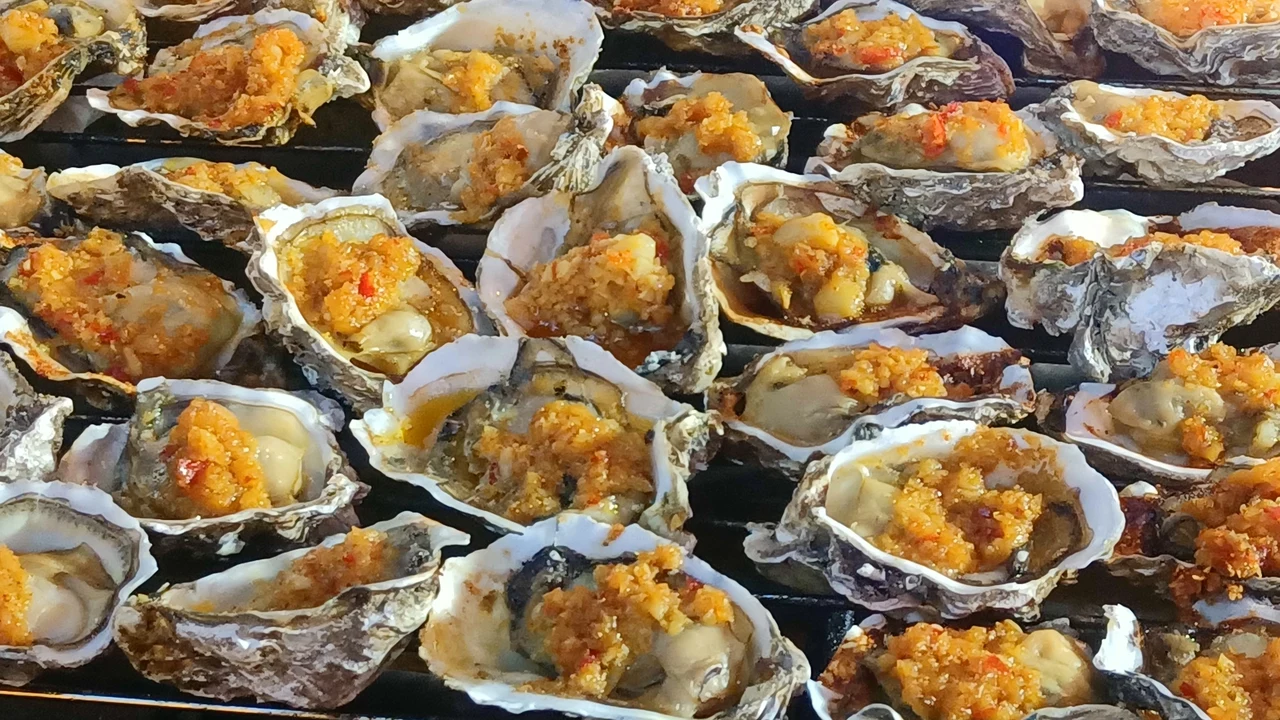

A sack of oysters should come with more than a seller's assurance that they are fresh. Texas health officials tell buyers to use shellfish from certified interstate shippers and to check the tags or labels. Those records identify a source that the appearance of the shell cannot establish. [1]
For oysters sold in the shell, the Texas Department of State Health Services lists information that belongs on the container tag: the certified shipper's name, address and certification number, the harvest date and a precise identification of the harvest location. The location should include the state's two-letter abbreviation. A claim that oysters are local is not a substitute for that traceable information.
The department's guidance is especially detailed for businesses receiving and serving shellfish. It directs them to keep lots identifiable, avoid mixing lots or species and retain the tag for 90 days after the container is emptied. A home shopper does not need to mistake that receiving-room checklist for a restaurant inspection job. The useful question at the counter is whether the seller can identify the certified source.
Harvesting oysters yourself involves a different check. DSHS says Texas shellfish must come from approved or conditionally approved areas shown on its classification maps, and the current status must also allow harvesting. Waters not specifically designated on those maps are classified as prohibited. A familiar bay or an apparently clean shoreline is not evidence that gathering oysters there is allowed. [2]
Even a mapped area can close. The department lists rainfall and runoff, flooding, harmful algal blooms, spills and wastewater-system problems among reasons status can change. Resource concerns and enforcement issues can also lead to closures. Texas Parks and Wildlife handles oyster rules such as seasons, size limits and possession limits, so a health-status check is not the entire regulatory check.
Use the state's current harvest-status page before a trip rather than saving an open-area list from an old article. DSHS warns that status can change daily. This guide does not certify any particular bay as open today, and it does not endorse an individual seller.
Traceability and harvest controls still do not make raw oysters risk-free. The Centers for Disease Control and Prevention says Vibrio bacteria occur naturally in some coastal waters and can concentrate inside oysters as they filter water. An oyster containing harmful germs does not necessarily look, smell or taste different. [3]
Cooler weather is not a guarantee either. CDC says oyster-related Vibrio infections have been reported throughout the year, although most occur in warmer months. November's place on the calendar cannot establish that a raw serving is safe. Hot sauce, lemon juice and alcohol do not kill Vibrio; proper cooking kills harmful germs.
For a Texas shopper or cook, these checks answer different questions. The tag helps establish where the oysters came from. The harvest-status page helps a harvester check where collecting is permitted. Proper cooking addresses a risk that source paperwork cannot remove. Keep all three in view rather than asking freshness, geography or the season to do the work of the others.
Sources
- Texas Department of State Health ServicesCertified shellfish sources, container tags and records for businesses receiving and serving oysters.
- Texas Department of State Health ServicesClassification maps, changing harvest status and the distinction between health controls and oyster fishing regulations.
- Centers for Disease Control and PreventionWhy raw oysters can cause illness year-round and why appearance or condiments do not establish safety.