From tree to kitchen: why Texas pecans need more than harvesting
Shakers, cleaners and drying equipment do different jobs. The work after harvest helps explain why size and a new-crop label are not a complete quality test.
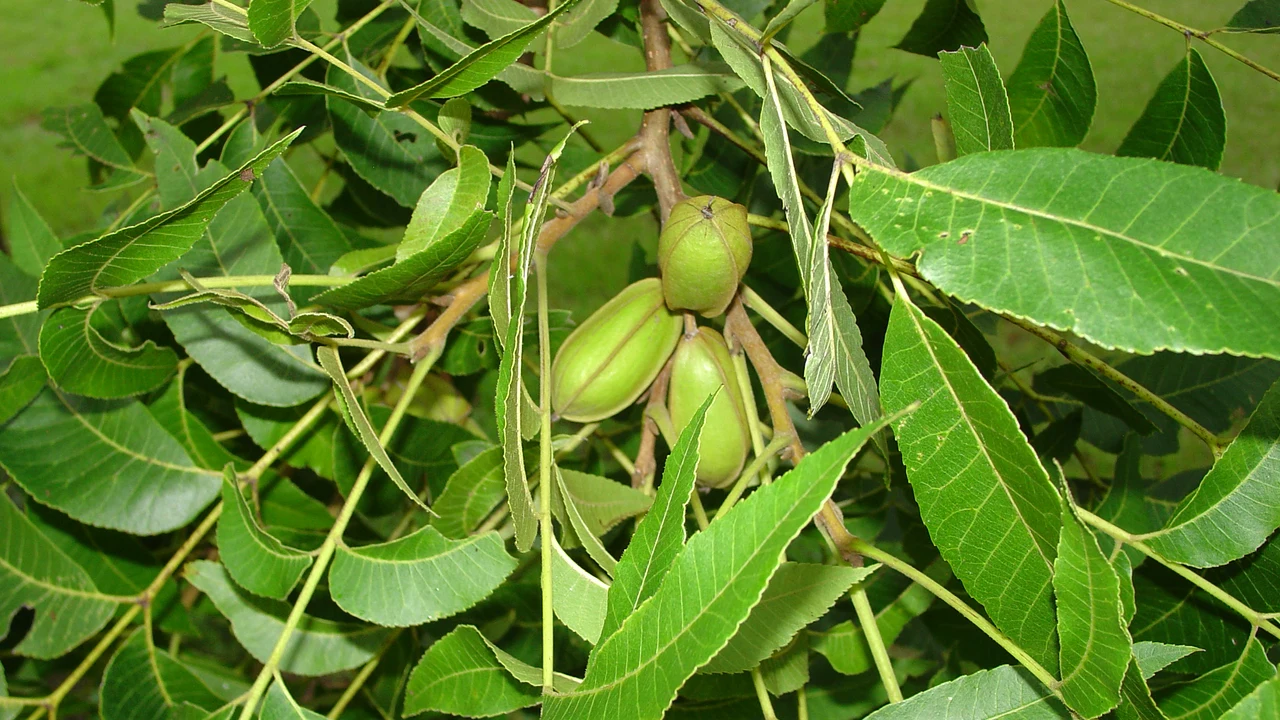

Getting Texas pecans off the tree is only the start of preparing them for the kitchen. A commercial harvest can bring in sticks and leaves along with the nuts. Outer shucks may still need removing, poorly filled nuts need separating, and the remaining crop needs drying. A bag of pecans represents several sorting steps, not simply a tree shaken over a sack. [1]
Texas A&M AgriLife Extension's Improved Pecans guide describes mechanical harvest as a sequence. Trunk shakers put the crop on the ground. Harvesters pick up nuts and other material, and cleaners separate the pecans from that debris. Some equipment also requires an intermediate pass to sweep the fallen nuts into narrow rows. Different machines perform different parts of the work.
The shuck and shell are not interchangeable packaging. Dehulling equipment removes shucks left on the nuts after the orchard operations. That step does not mean removing the hard shell to expose the edible kernel. The guide then describes a device called a pop remover, which uses a vacuum to separate poorly filled pecans from better-filled ones. Sorting continues after the crop leaves the tree. [1]
Drying is another distinct job. The Extension guide describes moving air over pecans using arrangements such as drying boxes, open-weave sacks or floors. Its advice concerns commercial handling, not a claim that every freshly gathered nut is ready for storage. In a separate AgriLife consumer report published in November 2020, horticulture specialist Monte Nesbitt explains that field conditions can prevent harvested pecans from drying adequately on their own.
Timing varies before any of those steps begin. The consumer report places the nut-filling period generally from mid-August to early October, depending on variety. Harvest can run from late September to late December, depending on variety and climate. [2]
Buyers also encounter differences in what is inside the shell. The production guide distinguishes retail preferences for large nuts and bright kernels from wholesale attention to ease of shelling and the proportion of kernel. It describes a hand test that estimates nuts per pound, percent kernel by weight and defects. Size is one measurement among several, rather than a complete quality grade. [1]
For a home cook, useful questions include when the pecans were harvested and how they were stored. Nesbitt's consumer guidance cautions that well-stored older pecans can be better than poor-quality nuts from the newest crop. It recommends looking for full, plump shelled kernels with consistent size and color, and asking for a taste when possible. A current-year label alone cannot settle the comparison. [2]
Once the pecans reach home, that same guidance recommends refrigeration and airtight packaging to protect their quality. Keep the storage history in mind alongside the harvest date. The work of producing a good kernel starts on the tree, but cleaning, drying and handling help determine what finally comes out of the bag.
Sources
- Texas A&M AgriLife Extension ServiceMonte Nesbitt, Larry Stein and Jim Kamas. Printed version code 2-13; URL upload directory 2015 is not publication date. Pages 5 and 9-11 explain buyer preferences, mechanical harvest, dehulling, vacuum sorting, drying and hand-test quality measures. Old acreage, prices, pesticide advice and medical claims not adopted.
- Texas A&M AgriLife TodayPaul Schattenberg report quoting AgriLife specialists: variety/climate-dependent filling and harvest windows, drying and storage, good older nuts versus poor current-year crop, plump consistent kernels, tasting and refrigeration/airtight packaging. General guidance, not a 2026 harvest report. Nutrition, medical and pet-health claims not used.