A can labeled yams may hold sweet potatoes. The ingredient list settles it
The two crops belong to different plant families, even when grocery labels blur their names. Texas growing and storage advice follows the sweet potato itself.
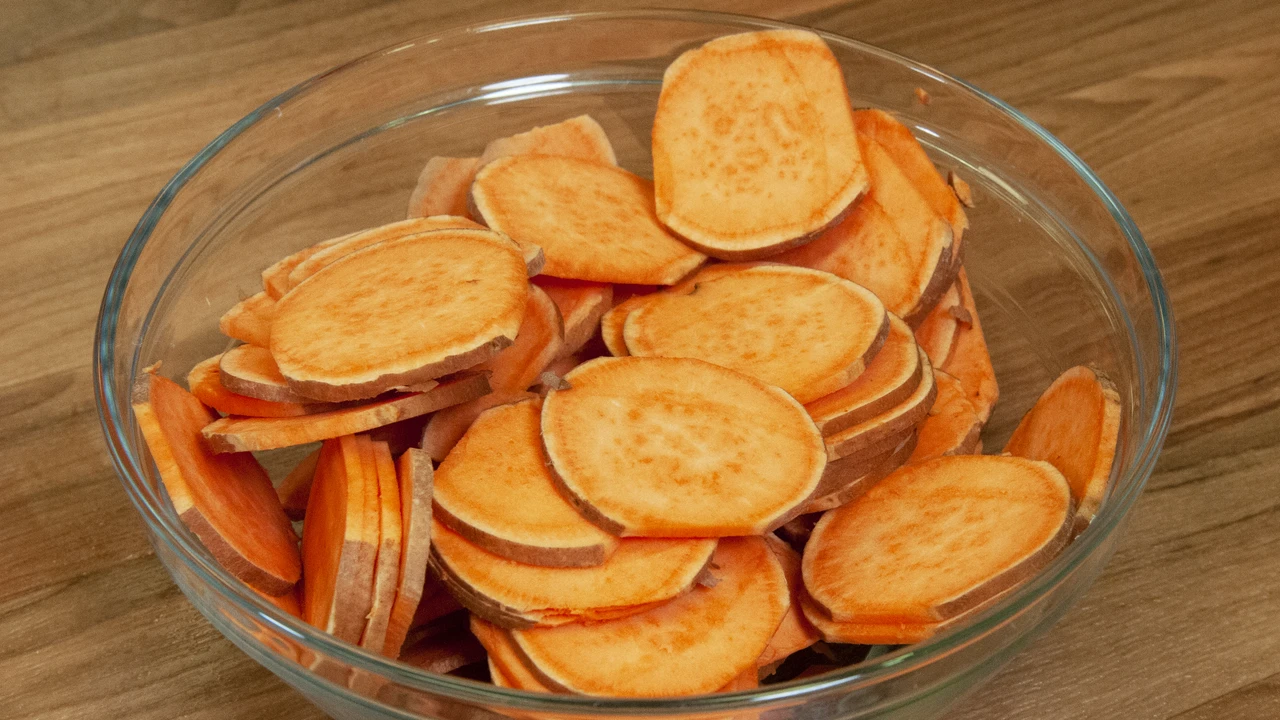

A can sold as yams may list sweet potatoes as its first ingredient. Mississippi State University Extension points out that combination on grocery labels, and it is a useful place to start when shopping for a casserole or pie. A familiar name on the front does not necessarily identify the plant inside. [1]
Sweet potatoes and true yams are different crops. Sweet potatoes belong to the morning glory family, while yams belong to the Dioscoreaceae family. The edible part of a sweet potato is a root; a yam is a tuber. Mississippi State's guide describes sweet potatoes as having relatively smooth, thin skin and tapered ends, while true yams have rougher, scaly skin and a more cylindrical shape.
Color alone will not settle the question. U.S.-grown sweet potatoes can have orange, white or purple flesh, the extension guide says. The orange version familiar in many recipes is one possibility within the crop. A white or purple interior does not by itself turn a sweet potato into a yam.
For Texas gardeners, the state extension service's 2023 Path to the Plate guide lists Beauregard, Centennial, Jewell and Vardaman among common food varieties and describes Beauregard as the most popular. Sweet potatoes tolerate heat and need warm growing conditions, and gardeners usually establish them with slips, the vine cuttings that grow into plants. That is the crop behind the Texas guide, regardless of which familiar word appears on a family recipe card. [2]
The work after harvest helps explain the difference between digging a root and having one ready for the kitchen. Texas A&M AgriLife Extension says sweet potatoes need curing to heal harvest wounds and allow starch to convert into sugars. Their skins bruise easily, so careful handling matters before storage begins. Curing is a step for the harvested crop, not an instruction to heat a bag of supermarket sweet potatoes before dinner.
At the store, the same Texas guide recommends firm sweet potatoes without cuts, holes or decay. It advises keeping fresh sweet potatoes in a cool, dry place and not refrigerating them. Warmer storage encourages sprouting. Those directions concern fresh roots; they should not be carried over to a cooked casserole or an opened can.
Choosing the ingredient also need not lock the meal into a sweet side dish. The Texas guide includes both a casserole and a sausage, kale and white bean stew that uses cubed sweet potato. The same crop can go into a dish with a pecan topping or a savory pot with beans and greens. Neither recipe requires calling it a true yam.
For a packaged product, read the ingredient list before following a recipe's shorthand. For fresh produce, check the crop, its condition and the kind of flesh the recipe expects. The label can answer what is in the can; the recipe still needs to account for what that ingredient will do in the dish.
Sources
- Mississippi State University Extension ServiceExplains botanical and physical differences and the use of both names on canned sweet potato labels.
- Texas A&M AgriLife Extension ServiceLists Texas food varieties and guidance on growing, curing, buying, storing and cooking sweet potatoes.